
Should I Get a Hearing Test After a Concert or Festival?
Anyone who has sat in Doak Campbell Stadium on a Saturday night knows how

By: admin | August 21, 2025
Hearing care looks quite different today than it did even a few years ago. Testing has become more accurate and less time-consuming, while treatment options have expanded beyond traditional hearing aids to include a variety of solutions that fit different lifestyles and budgets. What used to be a lengthy process involving multiple appointments can now often be streamlined, making it easier for people to get the help they need without major disruptions to their schedules.
The industry continues to evolve as technology advances and new approaches to hearing health emerge. These changes are making hearing care more accessible to people who might have previously avoided seeking treatment due to cost, convenience or simply not knowing what options were available. While it’s hard to predict exactly what the future holds, current trends suggest that managing hearing health will continue to become more straightforward and integrated into routine healthcare, potentially helping more people address hearing concerns earlier and more effectively.
In the mid-20th century, hearing evaluations were fairly limited. Basic tuning fork tests or whispered speech were common methods in general medical settings. By the 1970s and 1980s, more standardized hearing tests became available in audiology clinics, including pure-tone audiometry and basic speech recognition. These tools helped identify the presence and severity of hearing loss but offered little insight into what might be causing it or how it affected everyday listening.
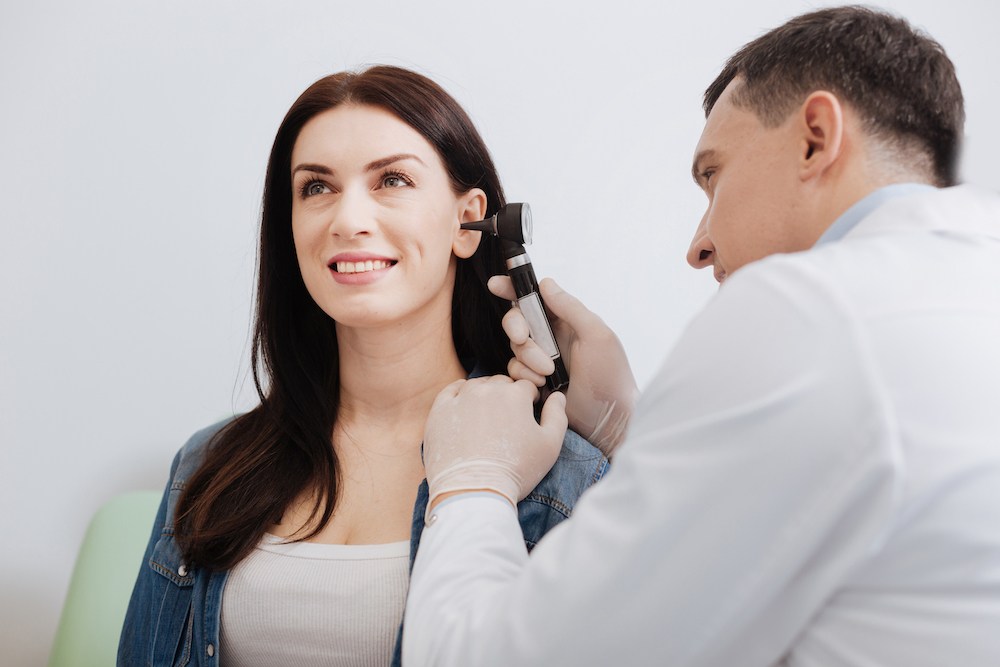
Today, evaluations have become much more precise. Since the early 2000s, clinics have routinely used sound-treated booths, middle ear analyzers and speech-in-noise testing to gather a fuller picture of how your ears and brain process sound. Instead of only measuring what you can hear, we can assess how the ear drum moves, how the middle ear responds to pressure and how well your system manages speech in real-world conditions. These improvements have made it easier to detect not just hearing loss, but also issues with the outer or middle ear that may need medical treatment.
Earwax removal has also changed. Before the 1990s, methods were often limited to syringing or basic tools in a general medical office. Today, many clinics use softer irrigation systems, gentle suction or video-guided tools that allow for safer and more comfortable cleanings. Some providers also track wax buildup as part of regular care, helping to prevent temporary hearing issues that can interfere with testing accuracy.
Several key factors have shaped how hearing care looks today. One of the biggest shifts has been the growing number of people affected by hearing loss. As populations age and more research tracks hearing across the lifespan, it’s become clear that hearing issues are more common than once thought. Noise exposure from work, recreation or everyday environments has also played a part, especially in younger adults and teens.
At the same time, detection has improved. Screenings are now routine in many schools, hospitals and primary care settings. Testing tools are more sensitive and easier to use, making it possible to catch problems earlier. Even something as simple as online hearing checks has helped more people take the first step toward care. These tools don’t replace full evaluations but they do encourage follow-up when something seems off.
Awareness has also grown. Conversations around hearing health are no longer limited to older adults or specific professions. More people now understand how untreated hearing loss can affect communication, mental focus and relationships. As a result, hearing care has started to shift from reactive to proactive. People are paying attention to their hearing earlier in life and clinics are offering more education and preventive care to match that change in mindset.
Research has changed a lot about how we look at hearing loss. We’ve learned more about how hearing develops, how it changes with age and what signs to watch for early on. That kind of information has led to better testing. Evaluations can now be more specific to age or background, and they’re often quicker and easier for both the person being tested and the audiologist doing the test. This has made it easier to catch concerns early, especially in kids or people who might not mention subtle changes on their own.
It’s also changed how hearing care fits into everyday health services. As studies have linked hearing loss to things like learning challenges, mental fatigue and social withdrawal, more clinics are starting to include hearing checks as a regular part of care. There’s more follow-through too. If a concern shows up during a screening, people are more likely to be referred for a full evaluation instead of being told to just wait and see.
In the future, hearing care could become more personalized using data and new technology. Hearing tests might adjust in real time based on how your ears and brain respond. This would help the audiologist identify specific challenges more quickly and with better accuracy. It might also allow predictions about how your hearing could change, so care plans can be updated before problems become obvious.
We may also see small wearable or implantable devices that keep track of your ear health all day long. These could notice issues like infections or wax buildup early and send alerts to your healthcare team. This would help catch problems before they get worse and allow doctors to focus more on treatment instead of just testing.
Remote care could go beyond video calls. Virtual reality or other technologies might recreate everyday sounds and noisy places so hearing tests and therapy can be more realistic. This would help people practice listening in real situations. Apps could guide exercises and help track progress between visits. Hearing care may become a steady part of your routine instead of something you only do once in a while.
Hearing aids have come a long way since their earliest beginnings. The first hearing devices, dating back centuries, were simple and often bulky mechanical tools designed to amplify sound. These included ear trumpets made from materials like animal horns, wood or metal. While they helped direct sound toward the ear, their effectiveness was limited and they were not very practical for everyday use.
The 20th century brought major changes. In the 1920s and 1930s, electronic hearing aids using vacuum tubes appeared. These devices were still relatively large and required external components, but they provided better amplification than mechanical aids. The introduction of transistors in the 1950s made hearing aids smaller, more reliable and portable. This shift allowed people to wear devices that fit behind or inside the ear, improving comfort and discretion.
Digital technology revolutionized hearing aids starting in the 1980s and 1990s. Unlike earlier analog devices, digital hearing aids convert sound into digital signals, allowing for clearer sound processing and more precise customization. This advancement made it possible to adjust hearing aids for specific frequencies, environments and user preferences. Features like noise reduction, feedback cancellation and directional microphones became common, enhancing listening comfort in noisy settings.
More recently, hearing aids have incorporated wireless technology and connectivity options. Users can now connect their devices to smartphones, TVs and other audio sources for direct streaming. Many hearing aids also include sensors and artificial intelligence that adjust settings automatically based on the wearer’s environment. Battery life has improved, and rechargeable models are increasingly popular, adding convenience.
Hearing aid design and development have been influenced by a variety of factors centered around improving user experience and meeting diverse needs. One key factor is the wide range of hearing loss types and severities. Designers must create devices that can address everything from mild to profound hearing loss while delivering clear, natural sound. This has pushed innovation in areas like sound processing, frequency tuning and feedback management to ensure that hearing aids perform well for many different users.
Another important factor is lifestyle. People who use hearing aids have varied daily routines and environments, so devices need to be adaptable. Whether someone spends a lot of time in noisy places, outdoors, at work or in quiet settings, hearing aids must adjust accordingly. This has driven the development of features like directional microphones, noise reduction algorithms and automatic environment detection, allowing devices to switch modes and optimize listening without requiring manual adjustments.
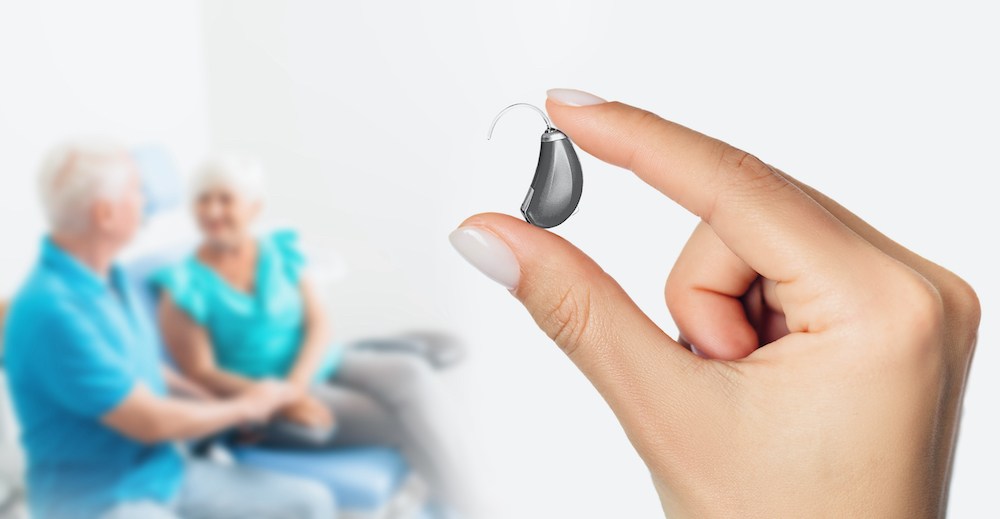
Comfort and discretion have also played significant roles. Advances in miniaturization and ergonomic design mean hearing aids can be smaller, lighter and more comfortable to wear for long periods. Many users prefer devices that are less visible or fit completely inside the ear canal. Materials that resist moisture and earwax buildup have also become important to improve durability and reduce maintenance.
Research has played a central role in shaping how hearing aids are designed and developed. Studies on how the ear and brain process sound have deepened our understanding of hearing loss and what people need from their devices. This knowledge has driven improvements in sound processing algorithms that make speech clearer and reduce background noise. Research has also highlighted the importance of fitting hearing aids to the individual’s specific hearing profile, leading to more precise programming and better outcomes.
Advances in materials and miniaturization have been guided by research focused on user comfort and device durability. Scientists have explored new ways to protect hearing aids from moisture and earwax, while keeping them small and lightweight. Research into wireless technology and user preferences has helped hearing aids become more connected and easier to control, allowing for a more seamless listening experience. Overall, research continues to inform every stage of hearing aid development, making devices more effective and better suited to real-life needs.
Hearing aids are expected to become even more personalized in the future. Advances in artificial intelligence could allow devices to learn a wearer’s listening preferences and environments over time, adjusting settings automatically for optimal sound without any manual input. This means hearing aids might better adapt to complex situations like crowded rooms, outdoor activities or quiet conversations, improving comfort and clarity.
We’re also likely to see improvements in connectivity and integration. Future hearing aids could work more seamlessly with other smart devices and health monitors, sharing data that helps users and clinicians track hearing health more closely. New materials and designs may make devices smaller, more comfortable and more durable, with longer battery life and easier charging options.
Another trend could be the development of more advanced sensors within hearing aids. These sensors might monitor not only hearing but overall ear health, detecting issues like infections or inflammation early on. Remote care options may also expand, allowing adjustments and check-ins to happen from home through smartphone apps or telehealth services. Together, these advances point toward hearing aids that are smarter, more responsive and more connected to overall wellness.
As hearing care keeps changing, so do the opportunities to catch concerns earlier and treat them in ways that fit real-life routines. We’re seeing more flexibility in the process, more practical tools and a stronger focus on what actually works for people day to day. Even small shifts in how care is delivered can make it easier for you to take the first step, whether that means trying something new or just asking questions.
If you’ve been putting off a hearing check, now may be a good time to see what’s changed. You might be surprised by how straightforward and supportive the experience can be. Contact Audio Rehab Lab in Tallahassee, FL at 850-878-7228 to learn more or set up a visit. We’re here to make the process clear and approachable, whether you’re ready for treatment or just looking to learn more about your hearing.
Anyone who has sat in Doak Campbell Stadium on a Saturday night knows how
By: admin | September 21, 2026
Spring has a way of sneaking up on you. One week you are comfortable in a
By: admin | April 22, 2026
If you’ve ever worn older hearing aids, you know the drill.
By: admin | February 20, 2026