
How to Manage Sweat and Moisture with Hearing Aids in Spring
Spring has a way of sneaking up on you. One week you are comfortable in a
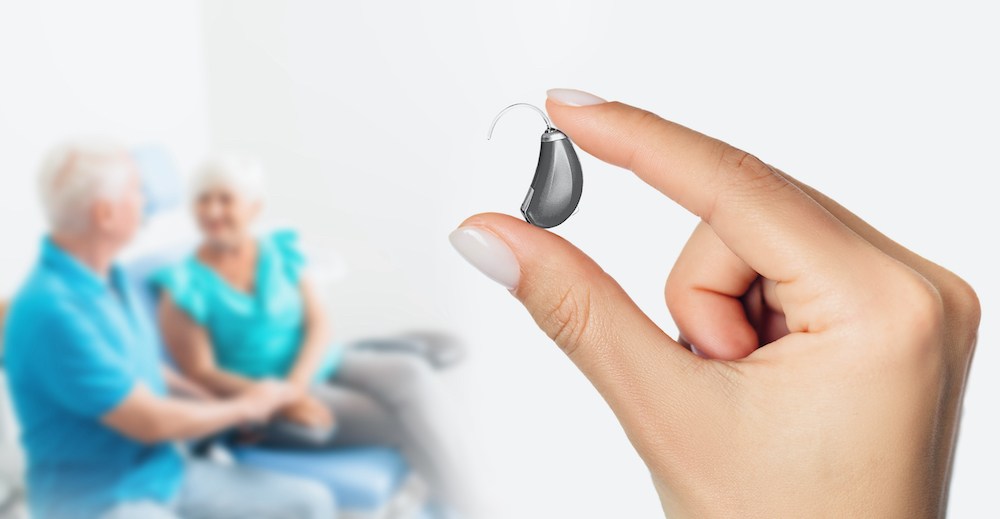
By: admin | February 20, 2026
If you’ve ever worn older hearing aids, you know the drill. You’re in a quiet room and everything sounds fine, then you walk into a restaurant and suddenly you’re drowning in noise because your settings are still dialed in for that quiet room.
You either deal with it and struggle through the meal, or you spend time messing with buttons or pulling out your phone to manually switch programs. It’s frustrating, and it pulls you out of conversations right when you’re trying to be present.
You’re not actually hearing better. You’re just managing devices that can’t keep up with how fast your environment changes throughout a normal day.
Smart hearing aids take that whole issue off your plate. When you move from your quiet living room into a noisy grocery store, the devices pick up on the change and adjust themselves without you doing anything.
The hearing aids are working in the background to match whatever situation you’re in, whether that’s filtering out background chatter at a family gathering or opening up the sound when you’re walking outside and want to hear everything around you.
For people who’ve spent years either manually adjusting or just accepting that some situations would be harder to hear in, having devices that handle it automatically makes wearing hearing aids feel a lot less like work.
Smart hearing aids are built with more advanced digital systems that allow them to respond to changes in sound automatically. Instead of relying mainly on fixed settings, these devices use ongoing sound analysis to detect where you are and what type of listening situation you are in.
Traditional hearing aids often require manual adjustments, like pressing a button or switching programs, when you move from one location to another. Smart hearing aids handle many of those changes on their own by recognizing patterns like background noise, speech and movement.
Many smart models can also connect to external devices through wireless technology. This allows sound from phones, televisions or other audio sources to stream directly into the hearing aids. Some devices can also be adjusted through a mobile app, giving users another way to manage settings when needed.
The main difference comes down to how much the device can adapt on its own. Regular hearing aids amplify sound based on programmed settings, while smart hearing aids continuously monitor and respond to what is happening around you.
Smart hearing aids use built-in microphones and sensors to listen to your surroundings. When the device detects a change, like moving from a quiet room to a noisy street, it updates its settings almost instantly.
These adjustments might include changing the volume, focusing on speech or reducing background noise. Most of the time, these changes happen so quickly that you may not even notice them.
Automatic adjustment features respond in several ways:
Hearing aids are constantly listening to your surroundings, not just amplifying sound. Inside each device are tiny processors that analyze what is happening around you many times per second. They pick up details like how loud the setting is, whether speech is present, how steady or sudden sounds are and how much background noise exists.
Based on that information, the hearing aids shift their settings automatically. In a quiet room, they may focus on softer sounds and speech. In a busier space, they can reduce competing noise while placing more emphasis on voices.
These changes happen in the background, often without you noticing, which is why sound can feel more balanced as you move from place to place.
The devices also rely on patterns they have been programmed to recognize. For example, steady noise like air conditioning is treated differently than changing sounds like conversation. As the environment shifts, the hearing aids update their response in small steps rather than sudden jumps, helping sound remain consistent instead of jarring.
This process does not mean the hearing aids are guessing randomly. They follow precise programming based on your hearing test, then apply that information as your surroundings change.
Most days are made up of many different listening situations, often without us thinking much about them. One moment you may be sitting in a quiet room and the next you are walking into a busy store or joining a group conversation. Each of these settings places different demands on your hearing.
Hearing aids are designed with this variety in mind. They respond to changes in sound around you by identifying what type of environment you are in and adjusting how sound is handled. Understanding the kinds of situations your hearing aids respond to can help explain why sound may shift slightly as your surroundings change.
Some of the common listening scenarios your hearing aids may recognize include:
Noisy environments can make conversations harder to follow, especially when several sounds compete at the same time. In places like restaurants, classrooms or family gatherings, voices often blend together, which can make it difficult to know where to focus.
Smart hearing aids are designed to sort through those sounds as they come in. The devices listen for patterns that match speech and treat them differently than steady background noise. This helps bring voices forward while keeping other sounds from becoming overwhelming.
Many hearing aids also use directional microphones to pay closer attention to sound coming from certain directions, often in front of you. As you move or turn your head, the focus can shift automatically, helping conversations stay more consistent without requiring manual changes.
Personalizing your hearing aids can help you get the most comfortable and clear listening experience possible. Many smart hearing aids now connect directly to smartphone apps or small remote controls.
These tools allow you to adjust volume, switch between listening programs and change other settings right from your phone or remote. Some apps also offer extra features, like tracking battery life, finding lost devices or adjusting sound balance for different surroundings.
Using an app or remote puts more control in your hands and makes it easier to fine-tune your device in real time.
Choosing a hearing aid is not about finding the most advanced device or the one with the longest feature list. It comes down to how you live and where you notice the most listening strain. Some people struggle mainly in group conversations, while others notice issues at work, on the phone or when watching television.
Comfort and routine matter just as much as sound. Your daily schedule, your ability to manage small controls and whether you prefer rechargeable or disposable batteries all factor into what works best long term.
A hearing aid should fit into your life without becoming something you constantly think about or adjust. When the device supports your habits instead of interrupting them, it tends to feel more natural over time.
Working closely with your audiologist helps narrow those choices. Test results provide part of the picture, but your personal experiences fill in the rest.
Talking openly about what frustrates you, what settings you want help in and what feels manageable helps guide recommendations that make sense for you rather than a one-size-fits-all option.
Smart hearing aids come with a lot of features, and it is normal to feel unsure about what actually matters for your day-to-day life. Asking questions during your appointment helps you understand how the technology works and whether it truly fits your listening needs.
A good conversation with your audiologist is not about memorizing technical terms. It is about getting clear explanations so you know what to expect and feel comfortable with your options.
When talking through smart hearing aids, it can help to ask questions like:
These questions help shift the conversation from technology to real life. Instead of focusing on features alone, you get a better sense of how smart hearing aids may fit into your routines and listening habits.
Smart hearing aids are designed to automatically adjust to your surroundings, whether you are at home, at the movies or at a party with friends.
If you have questions about how these features work or want to find out which devices might be right for your needs, our team is available to provide guidance and support. The right information can help ensure your hearing aids are set up for the best performance in all kinds of listening situations.
To learn more about smart hearing aids and how automatic adjustments could improve your daily life, contact Audio Rehab Lab Inc in Tallahassee, FL at 850-878-7228. Our team is here to help you get the most out of your hearing technology so you can enjoy clearer sound every day.
Tags: hearing aid basics, hearing aid repair, hearing aid styles
Spring has a way of sneaking up on you. One week you are comfortable in a
By: admin | April 22, 2026
If you’ve ever worn older hearing aids, you know the drill.
By: admin | February 20, 2026

Fall is an ideal time to schedule a hearing health check-up. As the
By: admin | December 21, 2025