
Should I Get a Hearing Test After a Concert or Festival?
Anyone who has sat in Doak Campbell Stadium on a Saturday night knows how
By: Kaki Pope | April 22, 2026
Spring has a way of sneaking up on you. One week you are comfortable in a jacket and the next you are warmer than expected on a walk you have taken a hundred times before.
That shift in temperature and humidity is easy enough to adjust to when it comes to clothing, but hearing aids are a different story.
They sit close to your skin, often behind or inside your ear, and as the air gets warmer and your body starts to respond to that, moisture builds up in places that are not easy to notice until something starts to sound off or a device stops working the way it should.
The problem is not just heavy sweating during a workout. Humidity, a warm afternoon outdoors or even the heat that builds up under glasses frames throughout the day can introduce enough moisture to affect how your hearing aids perform.
Most people do not realize how much their devices are exposed to over the course of a normal spring day.
Spring brings higher humidity and more rain, which means the air carries more moisture. As temperatures rise, this moisture can settle on your hearing aids or seep inside. Outdoor activities also increase sweat, adding to the moisture your devices must handle. Staying aware of these seasonal changes makes it easier to protect your hearing aids and maintain their performance.
Moisture does not always announce itself. By the time most people connect the dots, they have already spent a few days assuming their hearing aids need a tune-up or their batteries are just running low. Knowing what to look for early gives you a better shot at catching a moisture problem before it turns into a repair or replacement conversation. If your devices start behaving differently during a warm or humid stretch, that is usually your first real clue.
Watch for any of these signs:
Sweat is a normal part of daily life, especially as temperatures rise and activity levels increase.
For anyone wearing hearing technology, sweat can collect around the ear and on the device itself during regular activities like walking outside, working or exercising. That moisture sits directly on and around the parts of the device that are used throughout the day.
Hearing aids and similar devices are designed to handle regular use, but they are still exposed to sweat when it builds up during wear. Sweat can make contact with the surface of the device and the areas that sit behind or in the ear.
This can become more noticeable during longer periods of wear or when activity levels increase and the body produces more sweat.
The way sweat interacts with devices varies depending on how much is produced and how the device sits on the ear. Even small amounts can be present during routine activities, which means sweat naturally comes into contact with the device throughout the day.
Humidity is something we notice in the air, especially when it feels heavier or more damp than usual.
For hearing aids, that moisture in the environment can be present throughout the day and may come into contact with the device as you move between indoor and outdoor spaces. Since hearing aids sit close to or inside the ear, they are exposed to the same conditions you experience in your surroundings.
Hearing aids are designed for daily wear, but they are still exposed to moisture in the air when humidity levels rise. That moisture can settle on the surface of the device and around the small components that help it function.
These conditions are part of normal daily use, especially during times of year when humidity is more noticeable.
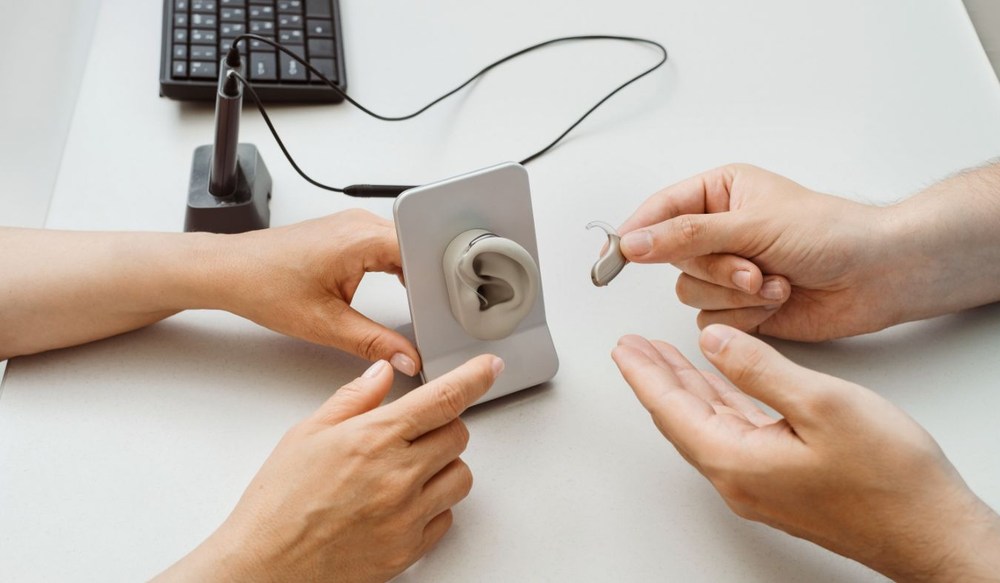
Different types of hearing aids can be exposed to moisture in slightly different ways, depending on how they are worn and where the components sit on the ear.
Some devices sit behind the ear, while others are placed deeper in or closer to the ear canal. That positioning can change how much contact the device has with sweat or moisture from daily activities.
All hearing aids are built with moisture resistance in mind, but that resistance can vary based on the design and how the device is used. Devices that sit closer to the skin may come into contact with more moisture from sweat, while others may experience more exposure from environmental conditions.
These differences are part of normal use and are not a sign that one device is better or worse, just that each design interacts with moisture in its own way.
Factors like activity level, time spent outdoors and how often the device is worn can also play a part in how much moisture a hearing aid is exposed to. During a routine day, small amounts of moisture can be present regardless of the style of device being used.
A professional fitting helps ensure that hearing aids sit properly on or in the ear, which can influence how they interact with everyday moisture. When a device is fitted correctly, it is less likely to shift or sit in a way that traps moisture or creates unnecessary contact with sweat and skin.
The fit of the device can also affect how well different components are protected during daily wear. The correct fit takes into account the shape of the ear and how the device is used throughout the day, which helps the hearing aid stay in place during normal movement.
This can reduce unnecessary exposure to moisture in areas where the device sits.
Professional fitting also gives you a chance to have the device adjusted based on your lifestyle and daily routine.
Whether you spend more time indoors or are often active outside, the way a hearing aid is positioned can make a difference in how it handles typical conditions, including moisture from regular use.
Developing daily habits can protect your hearing aids from moisture. Remove your devices before showering, swimming or using hair products. Store them in a dry place away from bathrooms or other humid areas when not in use.
Use a drying kit or dehumidifier designed for hearing aids each night to remove any built-up moisture. Wipe your devices with a clean, dry cloth after outdoor activities and check the battery compartment and microphone openings for dampness.
If your hearing aids become heavily exposed to moisture or get wet, turn them off right away and remove the batteries if your device has a battery door. Gently dry the outside with a soft cloth and leave the battery compartment open to allow air to circulate.
Avoid using heat sources like hair dryers or placing them in direct sunlight, since that can damage the internal components.
If you notice changes in sound quality, intermittent performance or the device stops working after exposure to moisture, it is a good idea to have it checked out by your audiologist.
Spending more time outside in the spring often means dealing with shifting weather, added noise and more exposure to moisture. Hearing aids are built for daily use, but outdoor events can introduce conditions that feel different from your usual routine.
A few small adjustments and the right accessories can help you stay comfortable and prepared while you are out. It often comes down to simple habits and having a few items on hand that make it easier to handle changes as they come up:
Spring can bring changes in how your hearing aids perform, especially as you spend more time outside or stay active throughout the day. If you start noticing inconsistent sound, reduced clarity or devices that seem to cut in and out, it may be time to have them checked.
These changes can be easy to brush off at first, but if they continue or become more noticeable, a visit can help identify what is going on.
You may also want to schedule a visit if your hearing aids feel different when you wear them, whether that is a change in fit, comfort or how they sit on your ear during daily activities.
Increased exposure to sweat or changing conditions can sometimes affect how devices function or feel, and having them looked at can help address those concerns before they become more disruptive.
A little attention goes a long way with hearing aids, especially once the weather starts working against you. Building a simple routine around moisture management can be the difference between consistent performance and a frustrating stretch of repairs.
You do not need to overhaul anything. You just need to treat moisture as something worth staying ahead of rather than something you deal with after the fact.
If you are in the Tallahassee, FL area and your hearing aids have been giving you trouble this spring or you just want to make sure you are set up with the right tools and habits going into the warmer months, the team at Audio Rehab Lab is a good place to start.
We work with people at every stage of hearing care and can help you figure out what your devices actually need to hold up through the season. Give us a call at 850-878-7228 and we will take it from there.
Tags: hearing aid basics, hearing aid repair, hearing aid styles
Anyone who has sat in Doak Campbell Stadium on a Saturday night knows how
By: Kaki Pope | September 21, 2026
Spring has a way of sneaking up on you. One week you are comfortable in a
By: Kaki Pope | April 22, 2026
If you’ve ever worn older hearing aids, you know the drill.
By: Kaki Pope | February 20, 2026