
Should I Get a Hearing Test After a Concert or Festival?
Anyone who has sat in Doak Campbell Stadium on a Saturday night knows how
By: Kaki Pope | September 21, 2026
Anyone who has sat in Doak Campbell Stadium on a Saturday night knows how loud game day can get. Between the band, the speakers and tens of thousands of people reacting to every big play, the noise builds quickly.
By the time the game is over, your ears have spent hours surrounded by sound from every direction. You leave thinking about the score, the crowd and everything that happened on the field. What you probably are not thinking about is how your hearing handled all of it.
A lot of people wait until something feels noticeably different before they think about a hearing test. Ringing after a concert or football game is easy to write off, especially when it fades by the next morning. Muffled hearing or a plugged feeling can get the same treatment. Those changes are signs that your ears were pushed hard by the noise around you.
Getting your hearing checked afterward is not about expecting bad news. It gives you a baseline and helps you understand what is happening before repeated loud events start taking more of a toll.
Tallahassee has no shortage of places where the volume climbs quickly. Football Saturdays are the obvious example, but outdoor concerts, festivals and other live events can put you around amplified sound for hours. Music, announcements and crowd noise often overlap, so your ears are rarely dealing with just one loud source.
Where you spend your time at an event changes that exposure too. A seat close to large speakers feels very different from one farther away, even when everyone is watching the same show.
That is easy to overlook when the noise is part of something you are enjoying. You are paying attention to the game, the music or the people you came with, not keeping track of how much sound has been hitting your ears.
A normal conversation is usually around 60 decibels. Once sound reaches about 85 decibels, the amount of time you spend around it starts becoming much more important. As the volume rises, the amount of exposure your ears can safely handle drops quickly.
At around 100 decibels, recommended exposure time is measured in minutes rather than hours. Live music, stadium sound systems and other amplified events can easily reach that range, especially when you are standing close to the source.
Inside the cochlea are tiny sensory hair cells that help turn vibration into signals your brain understands as sound. Very loud noise puts those cells under more strain than they are designed to handle for long stretches.
Not everyone walks away from the same event feeling the same way. One person might notice a change almost immediately, while someone standing beside them feels completely normal. That does not necessarily mean one person’s ears were unaffected.
Previous noise exposure makes a difference. Someone who has spent years around power tools, loud machinery, concerts or other high-volume environments has a different hearing history than someone with very little past exposure. Age, hearing health and certain medications can also influence how the ear responds to loud sound.
Sounds might seem duller, certain pitches may be harder to pick out or your ears might feel unusually sensitive to normal volume. Those reactions give you useful information about how your own hearing responds when the noise level climbs.
After a loud game or concert, hearing can feel a little off for a while. Sounds may seem duller than usual, and your ears might feel as though they need time to settle. In some cases, that change improves after you get away from the noise and spend some time in quieter surroundings.
What matters is whether your hearing returns to its usual baseline. A temporary change and permanent noise damage can feel similar at first, so symptoms alone do not always tell you what happened.
If something still feels different well after the event is over, it is worth taking seriously rather than assuming it will eventually disappear.
Your hearing might feel back to normal after an event, but that does not mean it walked away unaffected. Frequent exposure to loud sound can still add up to permanent changes over time.
Some changes after a loud event should not be treated as something to simply watch for a few days. A sudden drop in hearing, especially in one ear, needs prompt medical attention. Severe pain, drainage, dizziness or hearing that changes abruptly also deserves a closer look.
Less dramatic symptoms still matter when they do not improve. Ongoing ringing, trouble understanding speech or hearing that continues to feel different from normal can point to more than temporary noise exposure.
The important comparison is not how your hearing feels compared with someone else’s, but how it feels compared with your own usual hearing.
An audiologist can test how well you hear different pitches and how clearly you understand speech. Those results help show whether there has been a measurable change and what kind of follow-up makes sense.
A hearing evaluation starts with a conversation about what you have noticed. Your audiologist will ask about recent noise exposure, when the change started and whether one or both ears seem affected.
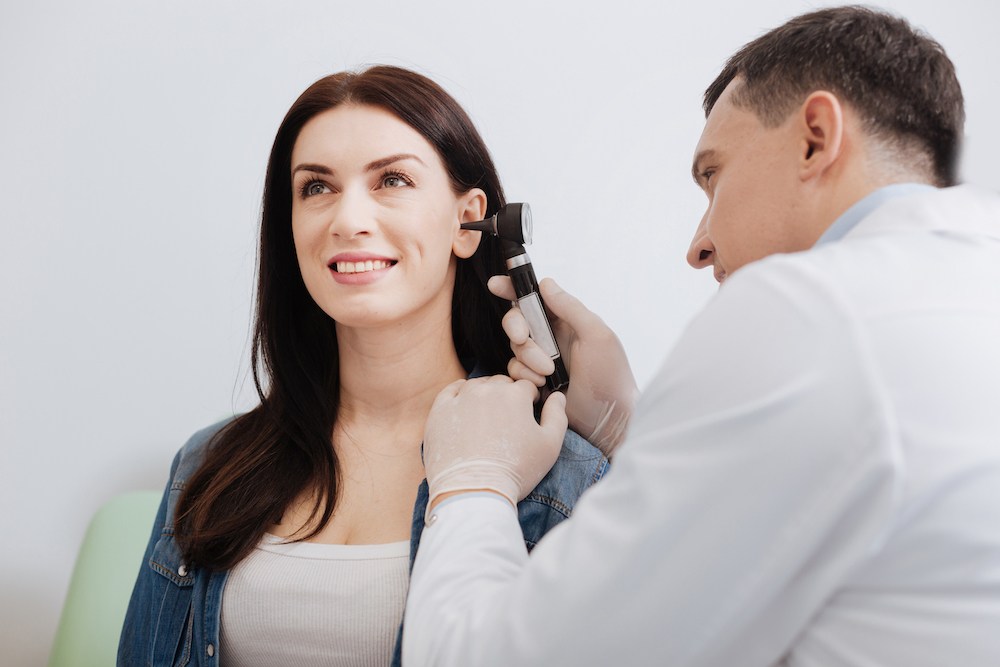
They will also review relevant health history before looking inside your ears for wax or anything else that could interfere with testing.
Next comes the hearing test itself. Wearing headphones or insert earphones, you will listen for a series of tones at different pitches and respond when you hear them. This measures the softest sounds you can detect across the frequencies used for speech and other familiar sounds.
Speech testing looks at something slightly different. You will listen to words and repeat what you hear so your audiologist can see how clearly speech is being understood.
Together, these results show more than a simple pass-or-fail answer and give your local audiologist something concrete to compare with future testing if your hearing changes again.
You do not have to skip concerts, games or festivals to be smarter about noise. A few small choices during the event can lower how much sound reaches your ears without changing the experience itself.
A few easy changes can make a loud event easier on your ears:
A hearing test gives you useful numbers, but the conversation around those results matters too. This is a good time to ask how your hearing compares with past testing and what your results mean for the kinds of events you actually attend.
A few helpful questions include:
These questions keep the discussion focused on your own hearing instead of broad advice that may not fit how you spend your time.
Not every earplug works the same way. Foam earplugs are inexpensive and easy to find, but they often make music sound dull because they reduce some frequencies more than others.
High-fidelity earplugs are designed for people who still want music and speech to sound natural. They lower the overall volume more evenly, which makes them a better fit for concerts, festivals and other live events.
If you are around loud sound often, custom earplugs are another option. An audiologist can fit them to your ears for a more secure and comfortable feel, and some styles use interchangeable filters for different noise levels.
The best choice usually comes down to how often you need protection, how long you wear it and how much sound quality matters to you.
A single loud night is not something to panic over, but it is worth paying attention to. If your ears are still ringing the next morning or things sound muffled longer than they should, that is your cue to get checked.
Audio Rehab Lab Inc in Tallahassee, FL is here to help you figure out where you stand. Give us a call at 850-878-7228 and let’s make sure your hearing keeps up with everything else you love about this town.
Tags: faqs, speech tests
Anyone who has sat in Doak Campbell Stadium on a Saturday night knows how
By: Kaki Pope | September 21, 2026
Spring has a way of sneaking up on you. One week you are comfortable in a
By: Kaki Pope | April 22, 2026
If you’ve ever worn older hearing aids, you know the drill.
By: Kaki Pope | February 20, 2026